
 Free Delivery & Return
 365-Day Returns
 10 Million Happy Customers
 500,000 Products in Stock


Leather Chairs


Leather Chairs
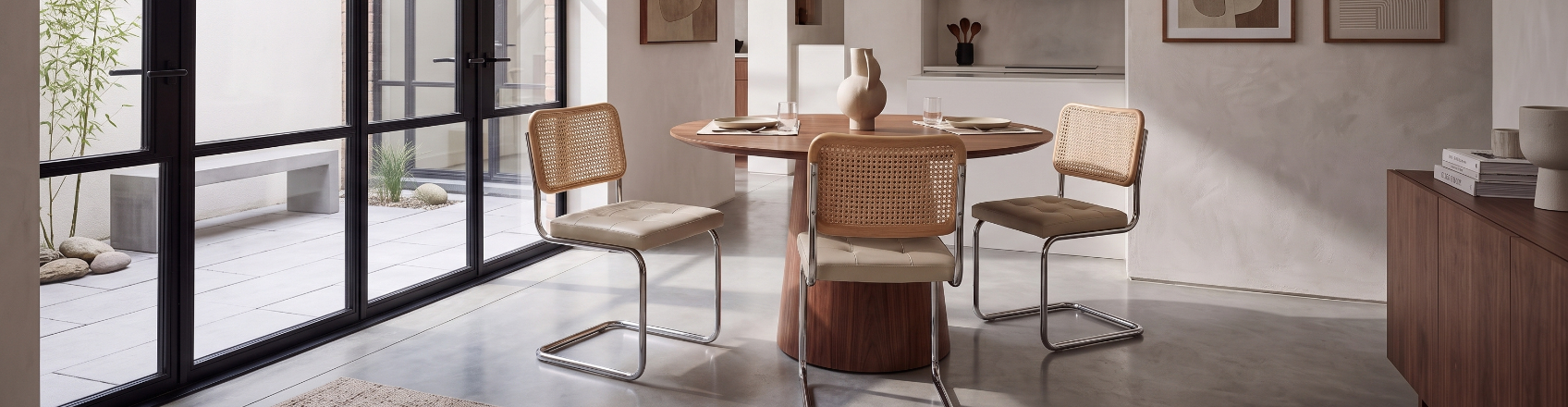
Leather chairs are premium seating solutions that seamlessly blend ergonomic comfort, exceptional durability, and a refined aesthetic. Perfect for dining rooms, executive home offices, and sophisticated living spaces, they are highly valued for their wipe-clean surfaces and long-lasting structural integrity. When selecting the ideal leather chair, it is crucial to consider lumbar support, upholstery grade, frame construction, and the level of daily use it will endure.
Where leather chairs work best
Whether used around a bustling dining table, as an executive desk chair in a home office, or as a striking accent piece in the living room, leather chairs effortlessly elevate any environment. Their structured, tailored design makes them incredibly versatile for both casual daily use and formal interior layouts.
In dining spaces, they offer firm, supportive seating for extended meals. In an office setting, they present a luxurious, professional alternative to standard fabric chairs. As occasional seating, a leather accent chair introduces rich texture and sophisticated contrast to your room's decor.
How to choose the right leather chair
Since comfort and structural support vary across models, matching the chair's silhouette to its primary function is essential for long-term satisfaction.
- Dining use: prioritise easy-to-clean surfaces and ergonomic shaping that encourages an upright posture
- Office use: look for high backrests, dedicated lumbar support, and features that promote healthy seating habits
- Occasional seating: focus on bold design, premium material finishes, and strong visual impact
Pay close attention to seat depth and the backrest angle, as these ergonomic factors dictate long-term comfort far more than the upholstery alone.
Looking for dining chair? See our guide: how to pick the best dining chair for you
Leather types and construction
Premium leather chairs are upholstered in a variety of materials, including top-grain genuine leather, durable split leather, and high-quality bonded or faux leather alternatives. Each grade offers a distinct tactile experience, level of breathability, and long-term resilience.
The chair's base construction is equally important. Sleek metal or powder-coated steel frames deliver a highly stable, industrial, or contemporary edge, while solid wood frames introduce warmth and timeless mid-century or traditional appeal.
Maintenance and everyday care
One of the greatest benefits of leather upholstery is its low-maintenance nature compared to woven fabrics. A simple routine prevents premature aging and surface wear.
- Wipe surfaces regularly with a soft, slightly damp microfiber cloth to remove dust and body oils
- Avoid harsh chemical cleaners or abrasive sponges that can strip the leather's protective finish
- Position chairs away from harsh, direct sunlight and radiators to prevent fading and drying
How to match leather chairs with your interior
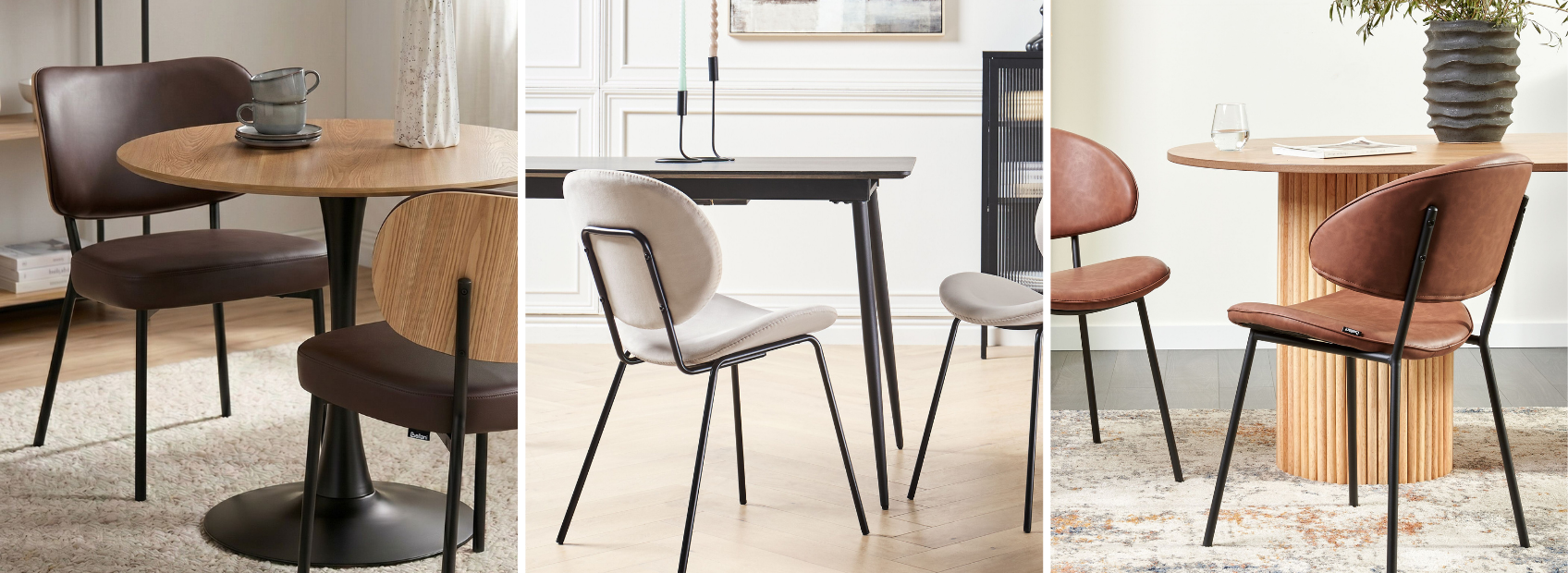
Leather is a highly adaptable material that anchors diverse decor styles, from sleek modern and industrial lofts to classic, rustic settings. The smooth, supple texture provides beautiful visual contrast when placed against rougher elements like exposed brick, natural stone, or raw timber.
Deep, rich tones like cognac, espresso, or black create a formal, grounded atmosphere. Conversely, lighter shades like caramel, beige, or pure white instantly soften the room's visual weight and blend seamlessly into airy, minimalist palettes.
What to check before buying
Before finalizing your purchase, carefully evaluate your daily seating habits, the specific room environment, and your comfort expectations. Always verify the upholstery quality, structural weight capacity, and whether the frame offers floor protectors to prevent scratching hard surfaces.
The ultimate choice should flawlessly harmonize high-end aesthetics, resilient durability, and ergonomic comfort tailored perfectly to your living space.